I feel like this blog needs a quick wrap up post-
I don't think I will continue with my veganism after this project- I will try to reduce the amount of dairy I eat, but I won't cut it out entirely. I wrestled with putting my desires before animals' quality of life earlier in this blog, and have come to the realization that it is a non-paradigmatic moral problem, because I am disconnected from the wronged party spatially, I am not doing intentional harm, and it is a collective harm (all of us who eat dairy are contributing to the harm). Thus, I have an easier time not facing the moral questions involved.
I want to finish up with a quick summary of what I learned over the course of our lived ethics project.
1. veganism is really hard, unless you give up trying to have a balanced diet
2. oreos, pop tarts, tater tots, and french fries are all vegan
3. the food industry is very non-helpfull when you are trying to figure out where stuff comes from
4. biking is awesome, but it can make your parents worried.
Happy Summer, Everyone!
Wednesday, May 16, 2012

Wednesday, May 9, 2012
Itinerary and To-Do list for bike trip
Working on hashing out the details of the bike trip- here's what I've got right now
TO-DO:
get couchsurf reply
adjust derailer
replace rear brake pads
buy stove and cookpots
get boxes for shipping stuff home
pack up and store room
contact Alex about riding
talk with Drewise about riding
pack for trip
print google map bits
create group for everett to edmonds leg
BIKE TRIP ITINERARY!
MAY 17
·
C-Springs to Harstel CO
·
Google maps
·
66mi
MAY 18
·
Harstel to Green Mt Reservoir (southern tip)
·
Trans-am 6
·
75mi
MAY 19
·
Green Mt
Reservoir to Wildlife Refuge
·
*refill water at willow creek crossing- no night
water
·
Trans-am 6
·
82mi
MAY 20
·
Wildlife Refuge
to Spring creek/Centenial creek (@
matchline between Riverside and Saratoga)
·
Trans-am 6
·
80mi
MAY 21
·
Spring/Centenial
creek to Saratoga to Muddy Creek
·
Stop in Saratoga
for food (5 days)
·
Trans-am 6/5
·
90mi
MAY 22
·
Muddy
Creek to Hall Creek (just before
beaver creek rd)
·
Trans-am 5
·
60mi
MAY 23
·
Hall Creek
to Dry Creek (brutis lenmore road,
just past Crowheart)
·
Trans-am 5
·
75mi
MAY 24
·
Dry Creek to
Buffalo Fork of Snake River
·
Trans-am 5
·
75mi
MAY 25
·
Buffalo
fork to Madison
·
Buy food (2 days)
·
Trans-am 5
·
75mi
MAY 26
·
Madison to
Cameron
·
Trans-am 5/4
·
75mi
MAY 27
·
Cameron to
Dillon
·
Buy food in Dillon
(4 days)
·
Trans-am 4
·
83mi
MAY 28
·
Dillon to Big Hole Battlefield Natnl Park (butler
creek)
·
Trans-am 4
·
75mi
MAY 29
·
Big Hole
to Stevensville
·
Trans-am 4
·
85mi
MAY 30
·
Stevensville
to Charlo
·
Trans-am 4/Google maps
·
77mi
MAY 31
·
Charlo to
Whitefish
·
Look for couchsurf host
·
Buy food in Whitefish
(3 days)
·
Google maps
·
90mi
JUNE 1
·
Whitefish to
Peck Gulch Campground (off lake
koocanoosa)
·
N-tier 2
·
80mi
JUNE 2
·
Peck Gulch
to Bull Lake
·
N-tier 2
·
75mi
JUNE 3
·
Bull Lake to
Sandpoint ID
·
Buy food in Sandpoint
(4 days)
·
N-tier 2
·
70mi
JUNE 4
·
Sandpoint to Mill Creek
·
N-tier 1
·
66mi
JUNE 5
·
Mill Creek
to Columbia river
·
N-tier 1
·
77mi
JUNE 6
·
Columbia
river to Bannon Creek (matchline)
·
N-tier 1
·
77mi
JUNE 7
·
Bannon
Creek to Omack to Twisp
·
Buy food in Omack (3.5 days)
·
N-tier 1
·
70mi
JUNE 8
·
Twisp to
Newhalem
·
N-tier 1
·
82
JUNE 9
·
Newhalem
to Sedro Wolley to Big Lake
·
N-tier 1 / Google maps
·
75 mi
JUNE 10
·
Big Lake to
Everett (commercial and 61st
st) to EDMONDS!
·
Depart commercial and 61st at 3pm.
Invite others
·
Google maps
·
65 mi
Tuesday, May 8, 2012
Dear Marion
Dear Marion, I'm sure that at some point you get tired of reading blogs. So this blog post has very few words, and a lot of lovely pictures.


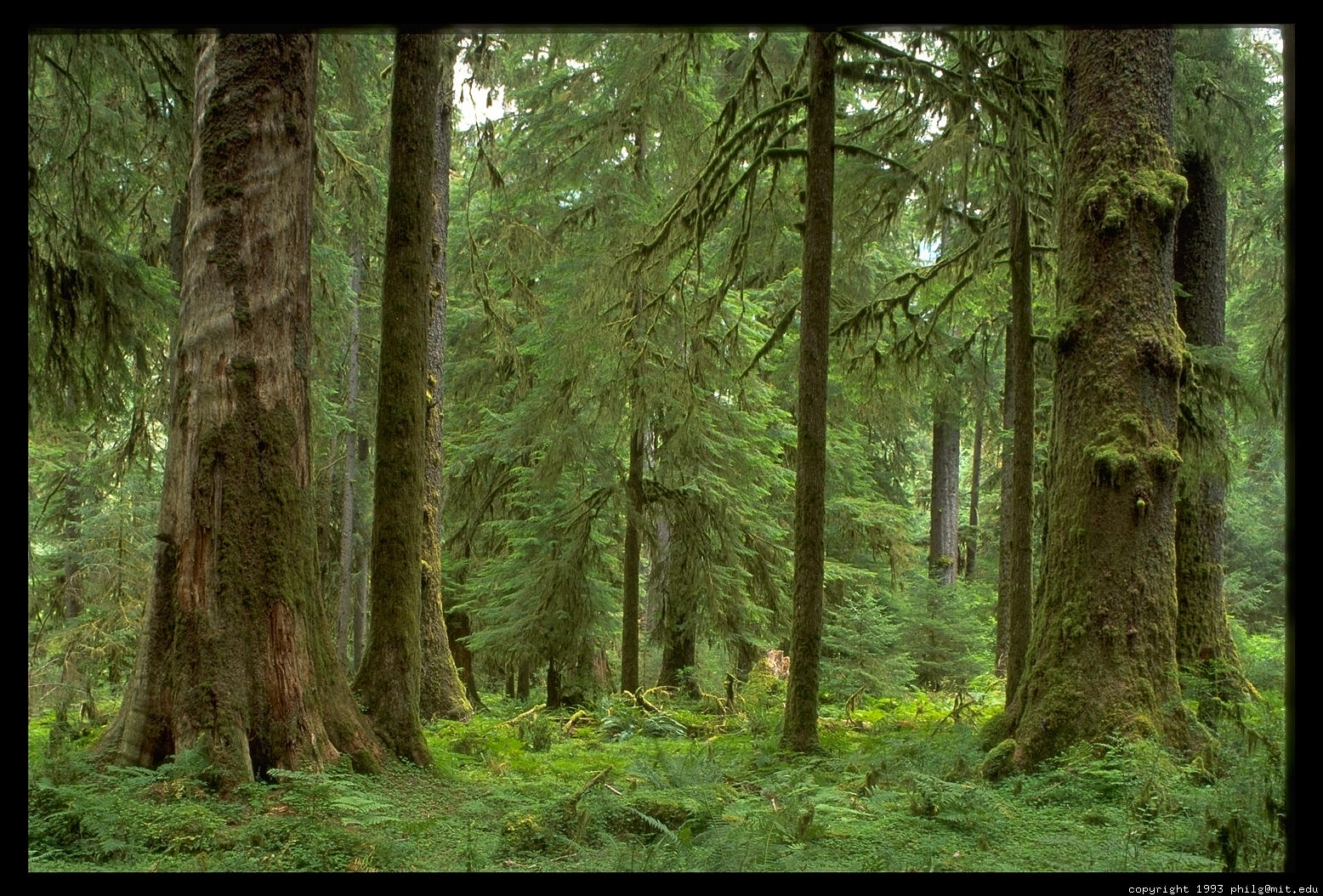

The End.
Sincerely, Betsie
Wednesday, May 2, 2012
1950 miles to Seattle
There are aproximatley 1950 miles between Colorado springs and Seattle. And I will see all of them through the spokes of my bicycle tires on my way home. I leave on the 17th, the day after school gets out, and will be arriving in Seattle on the 10th or 11th of may. Why bike so far? I believe that it forces you to be incredibly present and aware, something we often overlook, simply taking the here and now for granted.
There's something about traveling in our culture that is disorienting and unreal. You just jump from place to place on a plane. It's almost like those little tunnels in video games, where your character goes in and suddenly pops out in a completely different place.
I think that everyone should, at least once, travel under their own power, whether that means walking, biking, horseback riding, (or even uni-cycling, if that's what floats your boat). I believe this way of traveling helps people truly experience the places they visit. Slow travel teaches you that the places you visit are a comprehensive, interwoven set of communities rather than individual, concentrated experiences; they are not dots on a map but a part of the vast and complex system that makes up our reality. I think that Leopold saw this, riding and walking many of the forests he regulated, and studying his woods at home. I think that slow travel is one of the most effective ways, in our fast-paced world, to find that reflective quality within ourselves and reach a true understanding of our environments, whether they are natural, rural, suburban, or urban.
Furthermore, airplane travel is ridiculous (although efficient and appealing). It has a giant carbon footprint. By biking, I am shrinking my carbon footprint. The average airplane produces 48kg carbon per mile, and as the bird flies, it is about 1025 miles from Csprings to Seattle. That's 49200kg of carbon that I will have no part of.
Also, I'm just really stoked to ride that far. It's going to be a facinating experience, and I think it will force me to think a lot, and truly rely on myself. So 1950 miles it is. If you want to look at routes, or plan your own bike trip, I highly recommend adventure cycling association's maps.(http://www.adventurecycling.org/routes/RouteNetwork.pdf)
Technically, this isn't part of my lived ethics project. But I think it's interesting and relevant, so I figured I'd post about it anyways.
There's something about traveling in our culture that is disorienting and unreal. You just jump from place to place on a plane. It's almost like those little tunnels in video games, where your character goes in and suddenly pops out in a completely different place.
I think that everyone should, at least once, travel under their own power, whether that means walking, biking, horseback riding, (or even uni-cycling, if that's what floats your boat). I believe this way of traveling helps people truly experience the places they visit. Slow travel teaches you that the places you visit are a comprehensive, interwoven set of communities rather than individual, concentrated experiences; they are not dots on a map but a part of the vast and complex system that makes up our reality. I think that Leopold saw this, riding and walking many of the forests he regulated, and studying his woods at home. I think that slow travel is one of the most effective ways, in our fast-paced world, to find that reflective quality within ourselves and reach a true understanding of our environments, whether they are natural, rural, suburban, or urban.
Furthermore, airplane travel is ridiculous (although efficient and appealing). It has a giant carbon footprint. By biking, I am shrinking my carbon footprint. The average airplane produces 48kg carbon per mile, and as the bird flies, it is about 1025 miles from Csprings to Seattle. That's 49200kg of carbon that I will have no part of.
Also, I'm just really stoked to ride that far. It's going to be a facinating experience, and I think it will force me to think a lot, and truly rely on myself. So 1950 miles it is. If you want to look at routes, or plan your own bike trip, I highly recommend adventure cycling association's maps.(http://www.adventurecycling.org/routes/RouteNetwork.pdf)
Technically, this isn't part of my lived ethics project. But I think it's interesting and relevant, so I figured I'd post about it anyways.
Sunday, April 29, 2012
5:00
last week I ran a 4:55 1500. This week I ran a 5:00 1500. The question is, why? And what can I change this week in order to have the best possible week? Was it sleep, was it the lack of speed workouts on a track, was it diet, or was it something else entirely? I have no idea. Furthermore, if it was food, was it simply the food I was eating at Baca? It certainly wasn't a balanced diet, and was very heavy on soy, which I have trouble digesting, and might be mildly allergic to. Normally, some soy is fine, but an entirely tofu-based diet doesn't work well for me. I need to get my vegan protein from other sources like quinoa or nuts. The easiest way to rule out this concern would be to eat non-ethical dairy: Rastall meat is okay, but I am severely limited in my choice of dishes, since many of them include some kind of dairy. To best prepare for my race this weekend, then, I should eat nonethical dairy products.
But when I eat non local, unethical animal products, I am essentially saying that my sport, my hobby (running as fast as possible) is more important than animals' quality of life. It's not a question of health on a survival scale, but a question of optimum nutrition. To put myself first is unjustified, ethically. To eat non-ethical meat and dairy anyways would simply be an acceptance my immorality. I've accepted my own immorality before, when I shoplifted and didn't feel guilty about it. So why can't I eat dairy and not feel guilty about it? The answer is affect- by shoplifting I am not participating in or endorsing an oppressive lifestyle for another morally considerable creature.
So what do I do? Eat dairy, and accept my immorality? Eat dairy, and feel guilty? Or don't eat dairy and constantly second guess myself if I don't race well? I have no idea, and I have to decide soon.
But when I eat non local, unethical animal products, I am essentially saying that my sport, my hobby (running as fast as possible) is more important than animals' quality of life. It's not a question of health on a survival scale, but a question of optimum nutrition. To put myself first is unjustified, ethically. To eat non-ethical meat and dairy anyways would simply be an acceptance my immorality. I've accepted my own immorality before, when I shoplifted and didn't feel guilty about it. So why can't I eat dairy and not feel guilty about it? The answer is affect- by shoplifting I am not participating in or endorsing an oppressive lifestyle for another morally considerable creature.
So what do I do? Eat dairy, and accept my immorality? Eat dairy, and feel guilty? Or don't eat dairy and constantly second guess myself if I don't race well? I have no idea, and I have to decide soon.
Friday, April 27, 2012
Veganism on the Road
Knowing where your meat and dairy products come from, how the animals were raised, and how they were killed takes research. This means that whenever I'm traveling, I pack food, or I eat vegan. I can't pack everything though. I try, but this week especially, I haven't had time between getting back from Iowa, going to Baca, and leaving for DIA an hour after getting back on campus. So I only have enough packed food for about 50% of my meals. Our coaches always bring us to a grocery store to get food, but the problem is, it's always Walmart. Thus, I have a choice to make- I need a balanced diet in order to race. So do I choose to get vegan protein from Walmart, or forego veganism for vegetarianism when we eat at restaurants?
Sitting in the car as I made my decision, this is the information I had available to me: Walmart is a conglomerate giant that probably ships it's products from all over, so the fuel impacts of vegan versus Walmart are fairly similar. We have already looked at the treatment of animals in the dairy industry- the living conditions of laying hens, the constant calving of dairy cows, their living conditions, the fates of the dairy cows' male calves. What about the impacts of Walmart? They hire people part time, in order to save on benefits that they would need to give to full time employees.
I believe that animals and humans should be equally morally considerable. Thus, by both of the ethical theories we've studied (Utilitarianism and Kantian) I should have picked the Walmart alternative. The abuse of animals via the dairy industry causes considerably more pain than the economic limitation of humans: employees still have social services available to them, and are not being de-fingernailed (what I imagine the human equivalent to de-beaking would be), raised in closets, or having their children sold off to be fattened up and killed as a delicacy (veal). Thus, Utilitarianism dictates that I should go to Walmart. The animals are being used as a means more than the Walmart employees are. Walmart employees could, theoretically, terminate their contract (although one could argue that quitting might not be an option for employees because of their economic situation), implying that they have some control over their own lives.Walmart is making a contract with their employees, rather than owning them This suggests that walmart employees might be treated as means in some cases, but to a lesser extent than animals in the dairy industry.
But I didn't pick the Walmart option. Instead, I had bagels and cream cheese for breakfast, and pizza with cheese on it for dinner. So why did I make this decision? I didn't sit down for half an hour and think about the pros and cons, the ethical consequences. I simply acted on instinct. There's something weird about Walmart. Maybe that's because I've always avoided Walmart; my parents taught me to. Normality dictates that it's more okay to eat dairy than it is to go to Walmart. Perhaps it's also because of my instinctual preference for my own species. Is that ethical though? Is a bias towards one's own species acceptable? As much as I believe equal moral consideration should be accorded to animals when making ethical distinctions, I think that a preference for our own species is important in making the most acceptable decision. (The most acceptable and the most ethical decision aren't always the same.)
I also wanted to look further into Walmart's practices, my instinctual leeriness of the business. Walmart is not environmentally sustainable. ( http://www.sierraclub.org/pressroom/media/2011/2011-06-walmart.pdf)
Based on this information, my earlier assumption that dairy and Walmart foods had roughly equal ecological impact is probably incorrect, although it would be very difficult to compare the two without spending an incredible amount of time on the issue. It imports many of it's goods, forcing US suppliers out of business. Furthermore, it closes local businesses in many of the small towns it moves into. It is anti-union, and provides few opportunities for employees.(http://www.pbs.org/itvs/storewars/stores3.html). Although the pain caused by Walmart might be less significant than the pain caused by the dairy industry, the company is much more widespread than the dairy industry, and as such, might actually cause more overal pain. Thus, by utilitarian theory, I made the correct choice.
Did I make the right choice though? What if this decision was evaluated using Leopold's land ethic? In this case, the environment becomes morally considerable as well. To what extent is the land ethic a more relevant/valid or less relevant/valid theory when making a decision between Walmart and veganism?
Sitting in the car as I made my decision, this is the information I had available to me: Walmart is a conglomerate giant that probably ships it's products from all over, so the fuel impacts of vegan versus Walmart are fairly similar. We have already looked at the treatment of animals in the dairy industry- the living conditions of laying hens, the constant calving of dairy cows, their living conditions, the fates of the dairy cows' male calves. What about the impacts of Walmart? They hire people part time, in order to save on benefits that they would need to give to full time employees.
I believe that animals and humans should be equally morally considerable. Thus, by both of the ethical theories we've studied (Utilitarianism and Kantian) I should have picked the Walmart alternative. The abuse of animals via the dairy industry causes considerably more pain than the economic limitation of humans: employees still have social services available to them, and are not being de-fingernailed (what I imagine the human equivalent to de-beaking would be), raised in closets, or having their children sold off to be fattened up and killed as a delicacy (veal). Thus, Utilitarianism dictates that I should go to Walmart. The animals are being used as a means more than the Walmart employees are. Walmart employees could, theoretically, terminate their contract (although one could argue that quitting might not be an option for employees because of their economic situation), implying that they have some control over their own lives.Walmart is making a contract with their employees, rather than owning them This suggests that walmart employees might be treated as means in some cases, but to a lesser extent than animals in the dairy industry.
But I didn't pick the Walmart option. Instead, I had bagels and cream cheese for breakfast, and pizza with cheese on it for dinner. So why did I make this decision? I didn't sit down for half an hour and think about the pros and cons, the ethical consequences. I simply acted on instinct. There's something weird about Walmart. Maybe that's because I've always avoided Walmart; my parents taught me to. Normality dictates that it's more okay to eat dairy than it is to go to Walmart. Perhaps it's also because of my instinctual preference for my own species. Is that ethical though? Is a bias towards one's own species acceptable? As much as I believe equal moral consideration should be accorded to animals when making ethical distinctions, I think that a preference for our own species is important in making the most acceptable decision. (The most acceptable and the most ethical decision aren't always the same.)
I also wanted to look further into Walmart's practices, my instinctual leeriness of the business. Walmart is not environmentally sustainable. ( http://www.sierraclub.org/pressroom/media/2011/2011-06-walmart.pdf)
Based on this information, my earlier assumption that dairy and Walmart foods had roughly equal ecological impact is probably incorrect, although it would be very difficult to compare the two without spending an incredible amount of time on the issue. It imports many of it's goods, forcing US suppliers out of business. Furthermore, it closes local businesses in many of the small towns it moves into. It is anti-union, and provides few opportunities for employees.(http://www.pbs.org/itvs/storewars/stores3.html). Although the pain caused by Walmart might be less significant than the pain caused by the dairy industry, the company is much more widespread than the dairy industry, and as such, might actually cause more overal pain. Thus, by utilitarian theory, I made the correct choice.
Did I make the right choice though? What if this decision was evaluated using Leopold's land ethic? In this case, the environment becomes morally considerable as well. To what extent is the land ethic a more relevant/valid or less relevant/valid theory when making a decision between Walmart and veganism?
Monday, April 9, 2012
Update
I am in process of scheduling a meeting with bon appetit to talk about where they get their eggs and milk from, so hopefully by the end of the week I'll be able to add them to my list of local, ethical, okay-to-eat foods. In the meantime, however, I have been eating vegan plus beef and pork that comes from Rastall (Rastall sources its' meat from Ranch Foods Direct, who buys local, free range meat. However, one of their fowl suppliers, Redbird, only packages localy. Therefore, I avoid the chicken and turkey served by Rastall). Engels claims that it is "extremely easy to adopt a vegan diet" and that doing so is also healthier, which makes me wonder if he has ever tried to be vegan. A surprising number of foods are vegan- I discovered that pop tarts, frosted mini-wheats, and potato chips are all vegan. The most readily accessible vegan options have proved to be junk food though, which significantly contradicts' Engels claim that a vegan diet is healthier. Perhaps a vegan diet is easier if you are buying and cooking all of your own food, but as a college student, I would say that a carnivorous diet would definitely be healthier, simply based on accessibility.
Subscribe to:
Comments (Atom)